

Summer Handbag

A summer handbag solves a specific warm-weather problem: carrying daily essentials without the bulk, heat and visual weight of a cold-season purse. The right summer handbag keeps a phone, wallet, sunglasses and sunscreen within easy reach while retaining the structured, hand-carried character that distinguishes a handbag from a beach tote or casual backpack.
Woven surfaces, pale leather, linen-rich fabric and open basket shapes reflect sunlight and feel visually lighter beside airy clothing. Yet appearance is only half the decision. Handle drop, compartment layout, closure security and base stability determine whether the bag remains comfortable through city walks, outdoor lunches and evening plans. Explore the shapes below to identify the capacity, texture and carrying style that fit your summer routine, then choose a design that makes every item easier to find.
Unlike oversized summer bags intended for towels and beach gear, a handbag creates a defined personal zone for smaller belongings. A top handle gives the silhouette a deliberate shape, while a detachable shoulder or crossbody strap adds freedom when walking, shopping or travelling. This dual-carry format is especially useful on sunny days: hold the bag for a polished arrival, then wear it hands-free when the temperature rises.
Interior planning matters because warm-weather essentials are often awkwardly shaped. A central compartment can protect a cell phone and wallet, while side sections separate sunglasses from keys. A secure zip, magnetic tab or drawstring prevents the open, exposed feeling associated with many classic basket bags. Look for a light lining in cream or sand; it reflects available light and makes small objects more visible.
| Handbag format | Useful capacity | Distinctive benefit |
|---|---|---|
| Nano or micro | Phone, cards, keys and lip care | Minimal weight for dinners and short outings |
| Compact top handle | Daily essentials plus sunglasses | Balanced structure without tote-like volume |
| Roomy hand-carry bag | Small bottle, notebook and light layer | Greater capacity while preserving organized access |
For a visibly airy alternative, explore the straw-textured range. Its dry, golden surface gives a summer handbag the relaxed character of a woven beach bag while a shaped body and defined handles retain a neater handbag profile.
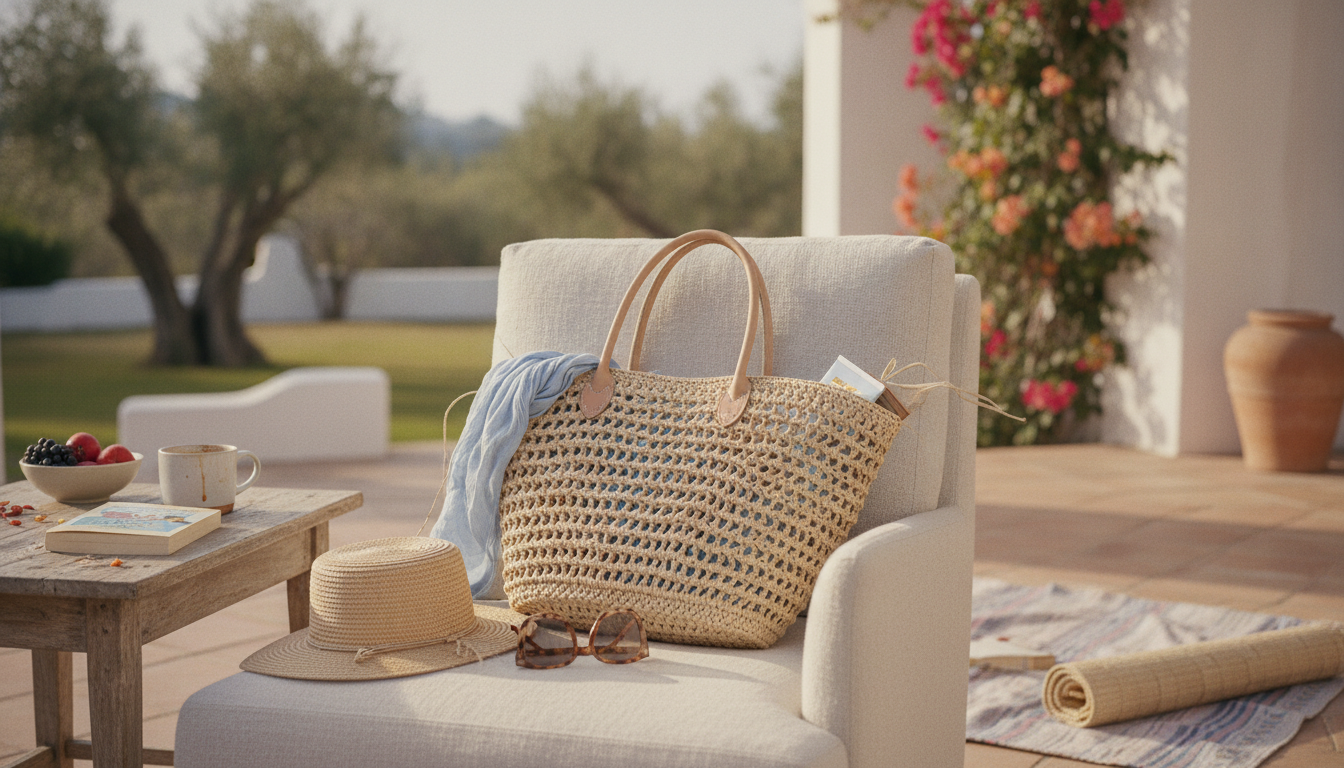
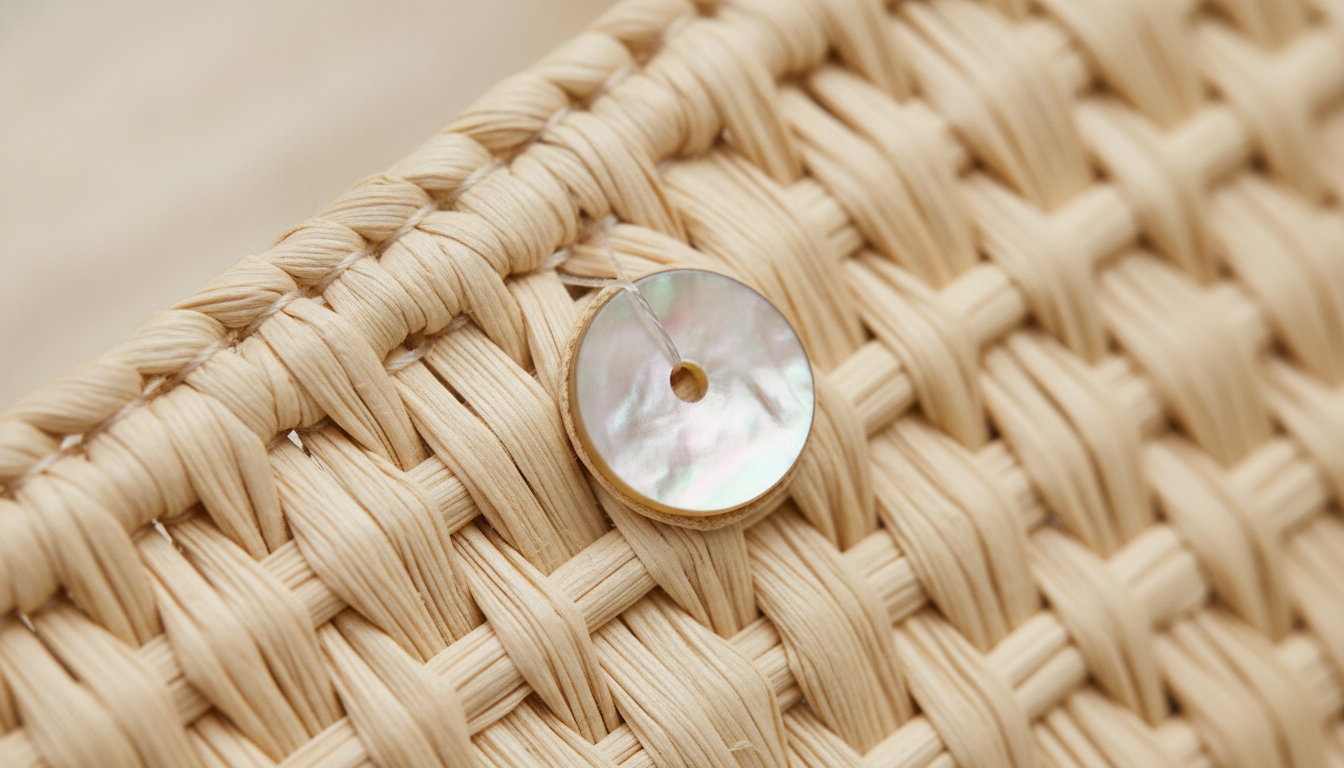
Material changes how a handbag looks, feels and performs in heat. Raffia, straw, net and rope constructions create tiny variations in texture that catch bright light. Their tactile, slightly crisp finish brings the easy character associated with vacation handbags, yet tightly woven panels can still produce a stable silhouette. Check for reinforced handle attachments because these areas bear the greatest load.
Leather provides a smoother, more architectural option. A grained finish disguises minor handling marks and gives a refined texture, while white leather, tan cowhide and muted blue shades coordinate easily with a summer wardrobe. Compared with an unlined basket, leather shoulder bags usually offer more secure closures and better resistance to small spills, although they feel warmer and require protection from prolonged direct sun.
Linen and blended fabric sit between these extremes. Their matte weave appears soft and breathable, but a lined construction is preferable because it limits stretching around heavier contents. For everyday use, seek a reinforced base and a fabric weight substantial enough to hold the intended shape.
| Material | Sensory character | Care consideration |
|---|---|---|
| Woven raffia or straw | Dry, dimensional and naturally varied | Keep dry and avoid crushing the weave |
| Grained leather | Supple, refined and structured | Wipe gently and store away from strong sunlight |
| Linen-rich textile | Soft, matte and visually cool | Spot-clean after testing an inconspicuous area |
Before loading a summer handbag, press lightly on its empty base. A firm return indicates useful support; a base that folds immediately may sag once a phone, wallet and bottle are added.
Those who prefer a firmer, more geometric weave can compare the structured wicker styles. Their basket-like construction produces sharper shadows and a more sculptural outline than soft raffia purses.
A summer handbag should accommodate a realistic daily kit without becoming a piece of luggage. Begin with the largest essential, usually a phone or sunglasses case. The opening should exceed that object by at least 2 cm, preventing repeated contact with the zip and reducing wear at the edges. If a water bottle is essential, verify both interior height and base width rather than relying on a general “medium” size label.
Shape also governs access. East–west handbags provide a wide opening and distribute contents horizontally, making them easy to scan. Tall bucket and hobo forms carry more but can allow small objects to settle at the bottom. Three compartments create clear zones, although excessively narrow sections may reduce practical capacity. A central compartment that closes securely offers a useful home for valuables, with open side pockets reserved for items needed frequently.
Colour affects visual scale as well. White, sand and natural straw make a structured bag appear lighter, while navy, forest green and black emphasize its outline. Vibrant coral, blue or multicolour panels turn a compact purse into a focal point without requiring oversized proportions. A controlled palette also makes a summer handbag easier to rotate across workwear, relaxed clothing and evening outfits.
Do not judge capacity from exterior dimensions alone. Thick woven walls, curved corners and internal dividers can reduce usable space by several centimetres.
For a more pronounced hand-carried silhouette, browse the basket-inspired handbag options. Their defined rim and stable body sit between a loose beach tote and a compact city purse.

Choose according to contents and movement, not appearance alone. A summer handbag used for commuting needs closure security and an optional shoulder strap; one reserved for lunches can prioritize a sculptural handle and compact proportions. Assess the following points before deciding:
For a breathable textile example, consider this linen hand-carry design. Its matte surface illustrates how fabric can soften a structured shape while remaining distinct from a floppy shopping tote.
A detachable strap approximately 100–120 cm long gives many wearers practical crossbody reach, while an adjustable buckle accommodates different heights and clothing layers.
A summer handbag is a hand-carried purse designed around warm-weather proportions, colours and textures. It is usually lighter in appearance than a cold-season bag and more organized than a beach tote, with defined handles, a stable body and secure space for daily valuables.
A handbag limits excess weight and keeps small essentials accessible through pockets or compartments. It also maintains a more deliberate silhouette from daytime plans to dinner. For a playful focal point, a daisy-patterned purse adds visible detail without the bulk of a large tote.
Yes. Choose dense weaving, reinforced handles, a lined interior and a secure closure rather than an open, flexible beach construction. A colourful structured basket shape can move from a daytime outing to an outdoor dinner while keeping its crisp outline.
A wide east–west opening with one central secure section is easy to scan and organize. Shallow side pockets keep frequently used items near the top. A defined basket handbag demonstrates this accessible layout while remaining more stable than a soft hobo bag.
Remove dust from woven fibres with a soft, dry brush and never soak natural straw or raffia. Wipe leather gently with a suitable soft cloth. Empty the bag after use, support its shape with clean tissue and store it upright in a breathable cover away from humidity and direct sunlight.
A well-chosen summer handbag combines a stable hand-carried shape with accessible compartments, comfortable handles and a material suited to real daily use. Compare the opening, usable base, closure and loaded weight before choosing between woven, linen and leather styles. Natural fibres provide tactile warmth, while structured surfaces and secure sections support city use. For a more architectural interpretation, explore this distinctive structured design. Choose the capacity that fits your actual essentials and give every sunny-day outfit a lighter, more intentional point of balance.


