

Basket Bag

A basket bag brings woven character and useful carrying capacity into one distinctive silhouette. The right basket bag avoids the common frustrations of an unlined basket, awkward handles or an open structure that leaves small essentials exposed. Its firm base keeps belongings upright, while a well-proportioned opening lets you reach a phone, wallet or sunglasses without emptying the contents.
From compact handheld shapes to large totes and fitted cycling designs, the difference lies in the construction. Palm, raffia and other plant fibres offer a warm, tactile surface; leather details reinforce areas exposed to repeated handling; technical shells answer wetter commutes. Explore the formats below to compare capacity, closure and handle comfort, then choose a design suited to what you genuinely carry each day.
Unlike a flat fabric tote, this structured carrier holds its shape when partly filled. A medium design generally accommodates a phone, long wallet, keys, small cosmetics pouch and 500 ml bottle. A large basket can add a light cardigan, tablet or compact shopping items. The broad top opening also reduces searching time, although a pouch, drawstring or zipped compartment is valuable for keys and cards.
Capacity should be assessed through base dimensions rather than the width of the upper rim. A flared silhouette may appear spacious but narrow sharply toward the bottom. For everyday use, look for a level base, an interior depth of approximately 20–30 cm and handles that remain comfortable when the contents reach 2–4 kg.
| Bag format | Typical useful capacity | Best-matched use |
|---|---|---|
| Mini basket handbag | Phone, card holder, keys and lipstick | Lunch, evening plans or light city walks |
| Medium woven shoulder bag | Daily essentials, bottle and compact pouch | Errands and regular commuting |
| Large basket tote | Cardigan, book, bottle and small purchases | Market trips, beach days or family outings |
| Roll-top basket carrier | Variable load secured above the rim | Cycling, groceries and changing weather |
Place your bulkiest daily item on a sheet of paper and trace it. Compare that footprint with the product’s internal base measurements, allowing about 2 cm around the object for easy loading.
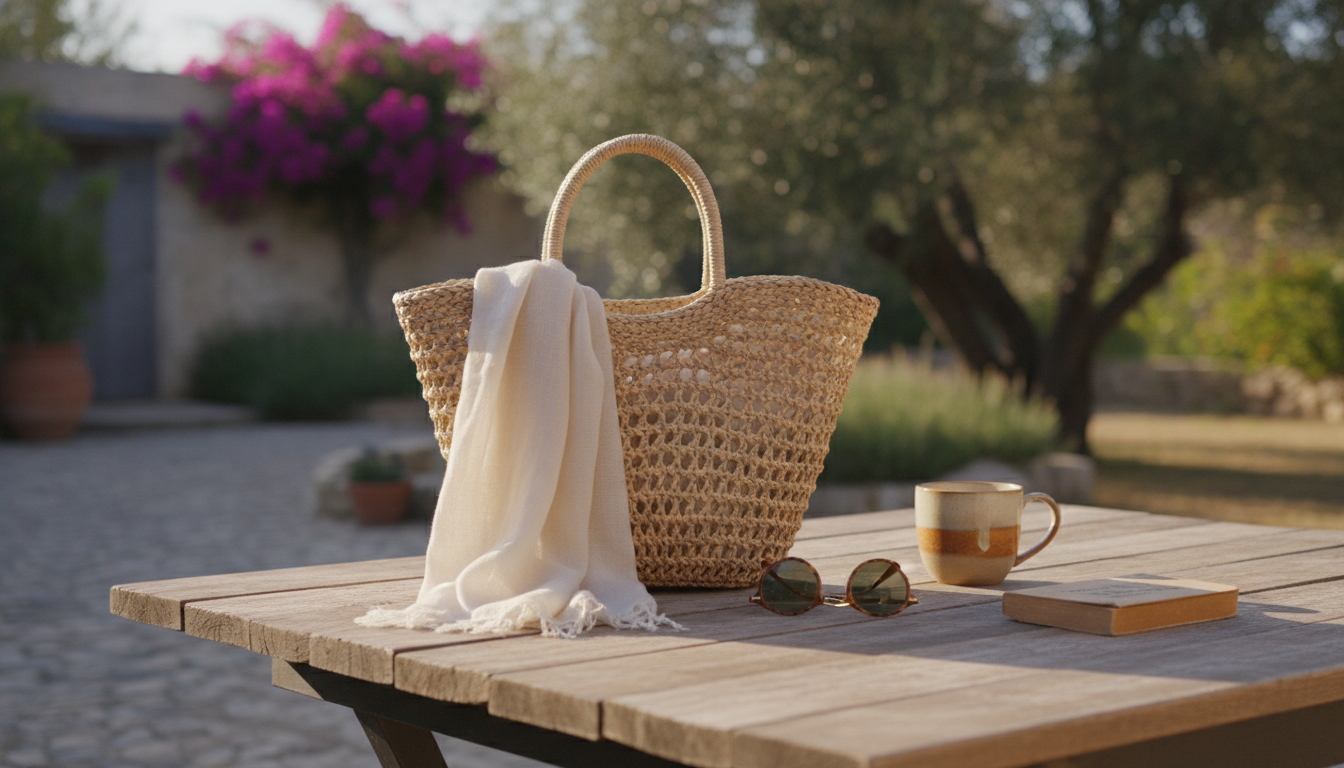
Material changes the appearance, touch and maintenance needs of a basket bag. Handmade palm basket construction feels firm and dry, with visible fibre variations that give every surface a slightly different rhythm. Raffia is generally lighter and more flexible, creating a softer outline. Dense woven leather feels smoother and more substantial, while rubberized nylon is designed for moisture resistance and demanding transport.
Natural fibres develop character through subtle colour changes, especially in warm caramel, cocoa brown, hay and pale sand tones. Black or brick red leather details create stronger contrast, whereas taupe and beige combinations keep the transition between fibre and trim restrained. For a closer comparison of airy plant-based construction, browse the woven straw styles, where flexibility and surface texture take priority over a rigid shell.
| Material | Tactile and visual character | Care priority |
|---|---|---|
| Palm fibre | Crisp, structured and naturally irregular | Keep dry and avoid crushing |
| Raffia | Supple, light and softly textured | Reshape by hand and store loosely filled |
| Leather weave | Smooth, dense and visually precise | Wipe gently and condition sparingly |
| Technical nylon | Functional, lightweight and abrasion resistant | Clean mud promptly and inspect seams |
The strongest natural-fibre versions reinforce the rim, base and handle anchors because these zones absorb repeated tension. Cowhide leather handles can provide a firmer grip, but their edges should feel smooth against the palm. On cycling models, welded seams and a coated outer shell are more useful than decorative weaving because they shed moisture and resist tearing.
“Water-resistant” does not mean fully waterproof. Only a fitted technical design with sealed or welded seams should be trusted during prolonged rain; open woven fibres need shelter from saturation.
An open top makes a basket bag quick to load, but its contents remain visible and can shift when the carrier is set down. A drawstring lining creates a light barrier without changing the woven silhouette. A foldable tote insert adds flexibility, while a roll top gives greater protection for cycling or crowded public transport. Hook-and-loop straps secure fitted models to a rack or front carrier and should wrap without rubbing cables or controls.
Handle geometry matters just as much as closure. Short leather handles keep a palm basket close to the body, but require one hand or the crook of the arm. Shoulder straps free both hands and work well for commuting. Removable handles can convert a handbag into a stroller attachment, provided the clips lock securely and the total load stays within the manufacturer’s stated limit.
For lighter warm-weather proportions, the summer handbag range offers a useful contrast between open woven forms and more enclosed everyday shapes. The relevant difference is not seasonal styling alone: it is how the opening, strap length and interior organisation support movement.
A flexible upper section can increase usable volume, but a rigid internal brace provides better balance. Choose expansion for irregular shopping loads and structure for bottles, electronics or objects that must remain upright.
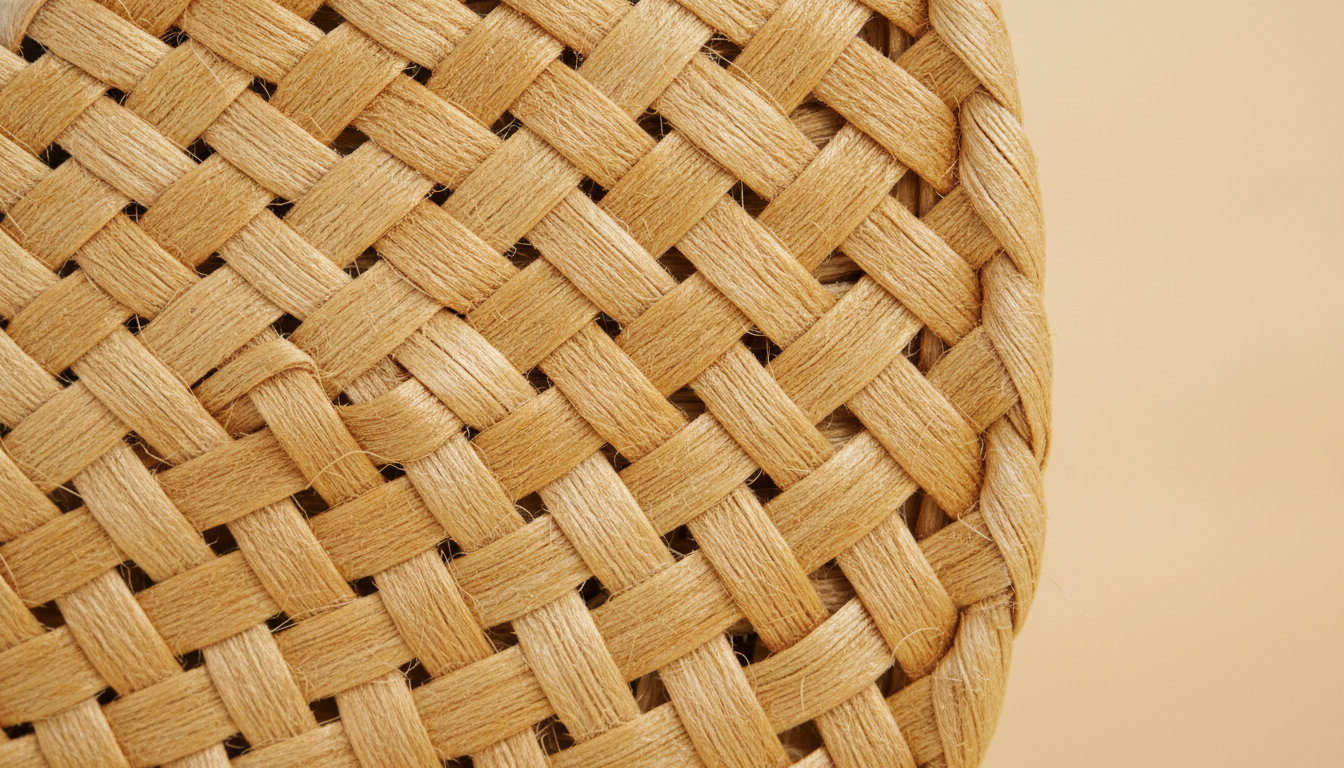
A basket bag designed for city use benefits from a compact footprint, protected interior pocket and shoulder-length strap. A market tote prioritizes a broad opening and stable capacity. A fitted bicycle version requires accurate dimensions, durable attachment points and a tough shell that stays clear of the wheel. These forms may share a woven or grid-inspired appearance, yet their load behaviour is fundamentally different.
| Journey | Useful design evidence | Common limitation to avoid |
|---|---|---|
| Daily commute | Secure closure, comfortable strap and interior organisation | Unprotected open top in crowded spaces |
| Market errands | Wide rim, reinforced bottom and two balanced handles | Narrow base that restricts practical volume |
| Front-basket cycling | Measured fit, four secure loops and weather protection | Loose straps near cables or spokes |
| Relaxed social plans | Compact size, tactile weave and neat leather trim | Oversized proportions for a minimal load |
Colour also changes how strongly the weave reads. Black trim sharpens the grid of pale palm fibres; caramel leather creates a softer tonal transition; cocoa bean and deep brown make the body feel visually denser. Brick red introduces a focused accent, while taupe supports understated combinations with linen, denim and natural wool. For more expressive texture and relaxed proportions, compare the bohemian woven references.

Choose by load, opening and carrying method before considering colour. A basket bag should remain balanced when filled with your actual essentials, not merely look proportional when empty. Check internal measurements, handle drop, closure type and the reinforcement at every stress point.
If hands-free movement is essential, use a model with an adjustable shoulder strap rather than relying on short top handles. This crossbody woven option illustrates how a strap changes weight distribution while preserving the structured basket outline.
It is a carrier whose structured or semi-structured body recalls traditional baskets. The body may use palm, raffia, leather strips or technical fabric arranged in a visible weave or grid. Unlike an unlined basket, many versions add handles, pockets, removable inserts and secure closures for personal belongings.
A reinforced base spreads pressure from bottles, wallets and other dense objects, helping the body retain its shape. It also improves stability when the carrier is placed on the floor. A design such as this neutral structured model shows how a defined bottom supports a clean silhouette.
Palm tends to feel firmer and supports a pronounced shape, while raffia is lighter and more flexible. Neither should remain wet. For frequent carrying, examine the rim and handle anchors rather than fibre alone: reinforced contact points usually influence durability more than minor variations in the weave.
Vintage-inspired forms often use rounded walls, warm fibres and compact handles, whereas a contemporary grid basket bag may have straighter lines and visibly repeated geometry. This heritage-shaped basket purse demonstrates how curved proportions create a softer profile without sacrificing a stable base.
Remove dust with a soft, dry brush following the direction of the weave. Blot small marks without soaking natural fibres, then air-dry away from direct heat. Store the bag upright with acid-free tissue or a clean cotton cloth inside so the walls retain their form without being stretched.
A basket bag earns its place through a structured base, an opening suited to the journey and handles matched to the expected load. Palm and raffia provide tactile warmth, leather strengthens high-contact areas, and technical fabrics support wet-weather commuting. Compare internal dimensions rather than judging capacity from the upper rim, then select the closure that gives your belongings the right level of protection. To explore a balanced everyday interpretation, view this versatile handled design and choose the size that fits what you carry most often.


