

Shopping Tote Bag

A tote bag solves a familiar carrying problem: ordinary handbags often become crowded as soon as a laptop, water bottle, notebook and personal pouch share the same compartment. The tote bag format creates usable vertical space, a wide opening and parallel handles that make loading, checking and retrieving belongings noticeably easier.
This collection focuses on bags whose proportions genuinely support daily movement, from compact city errands to work, shopping and light travel. Canvas, linen, nylon, raffia and leather each change the bag’s structure, texture and care requirements, while zipper closures and internal pockets add security. Explore the available sizes, compare how each design is carried, and choose the capacity that fits what you actually take with you.
The defining feature is not size alone but the relationship between the pouch, base and handles. A large, typically open-topped bag uses broad panels and parallel handles that emerge from its sides. This cut provides a clear main section instead of dividing capacity among several narrow compartments. A rectangular base also helps the bag remain stable when filled with books, folded clothing or groceries.
Unlike a small shoulder bag, a tote accommodates objects with different profiles without forcing them into stacked layers. A 13-inch laptop can sit against one side while a document folder remains flat and a reusable bottle stands upright. The most spacious models function as a carry-all, yet clean, well-balanced proportions prevent the silhouette from looking cumbersome.
| Bag format | Indicative capacity | Typical contents |
|---|---|---|
| Compact, around 25–30 cm wide | 4–8 litres | Phone, wallet, small pouch and paperback |
| Medium, around 35–42 cm wide | 10–18 litres | Laptop, notebook, bottle and light layer |
| Oversized, 45 cm wide or more | 20 litres and above | Beach towel, shopping, sports kit or travel essentials |
Measure the widest object you carry regularly and add 3–5 cm. That clearance protects a laptop sleeve or document folder from catching on the zipper and keeps the opening easy to use.
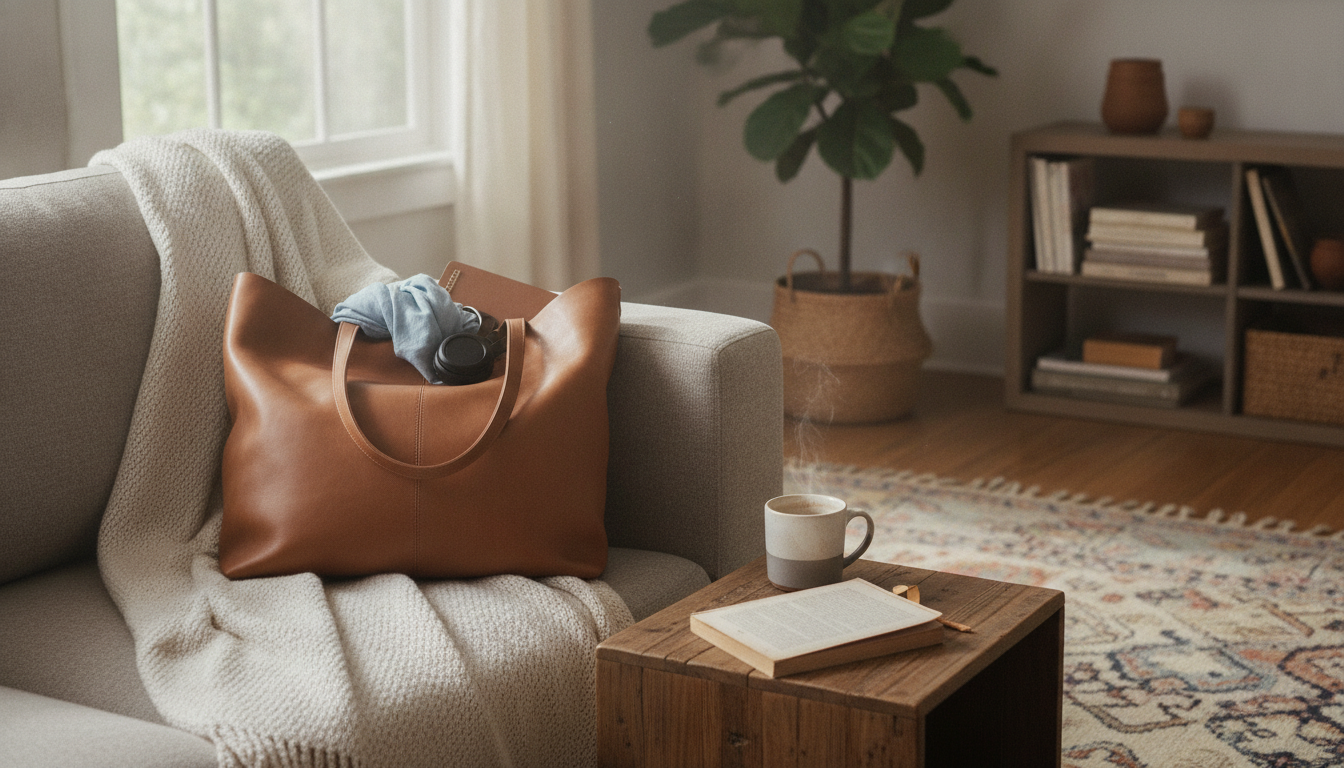
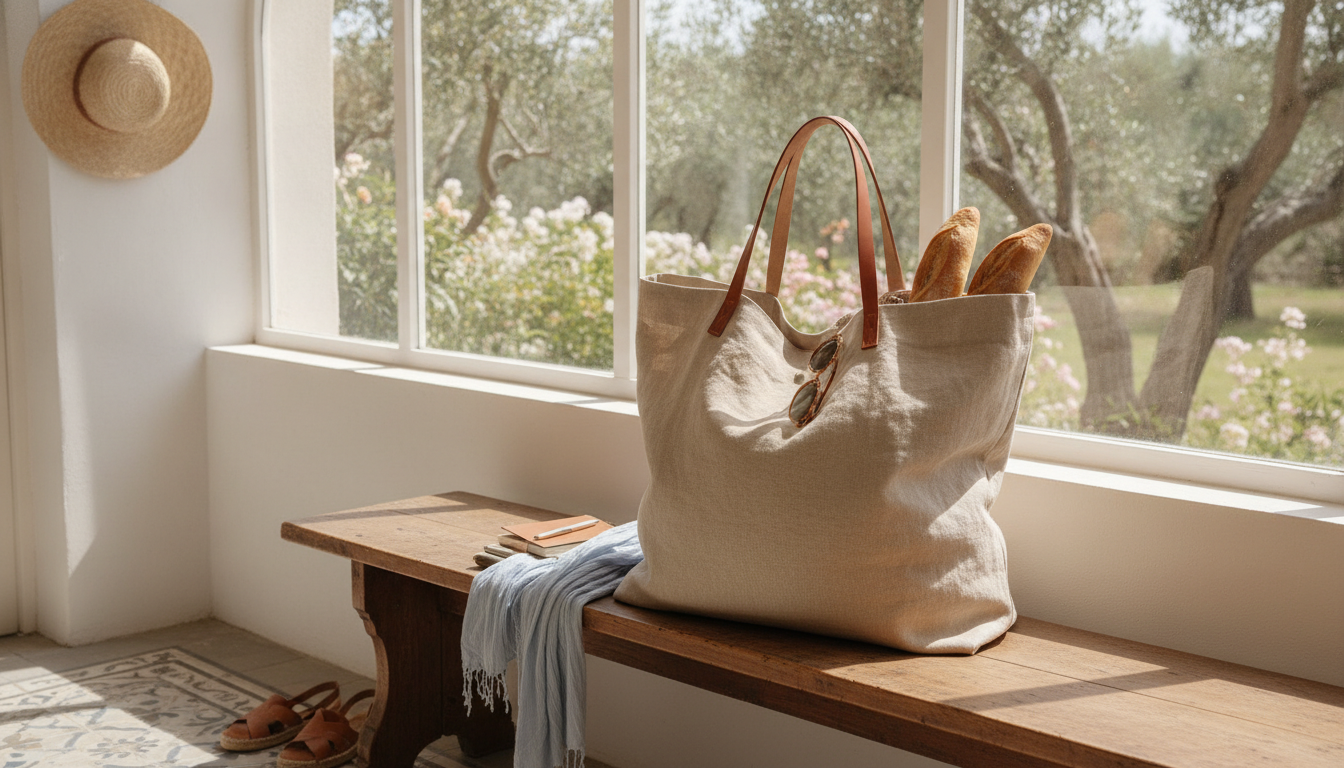
Material determines how a bag feels in the hand, how it responds to weight and whether it folds away or retains a defined outline. Canvas has a dry, tactile weave and relaxed structure; garment-washed fabric offers nuanced colour and a lived-in feel. Linen appears lighter and softly textured, while raffia contributes an airy, dimensional surface suited to warm-weather carrying.
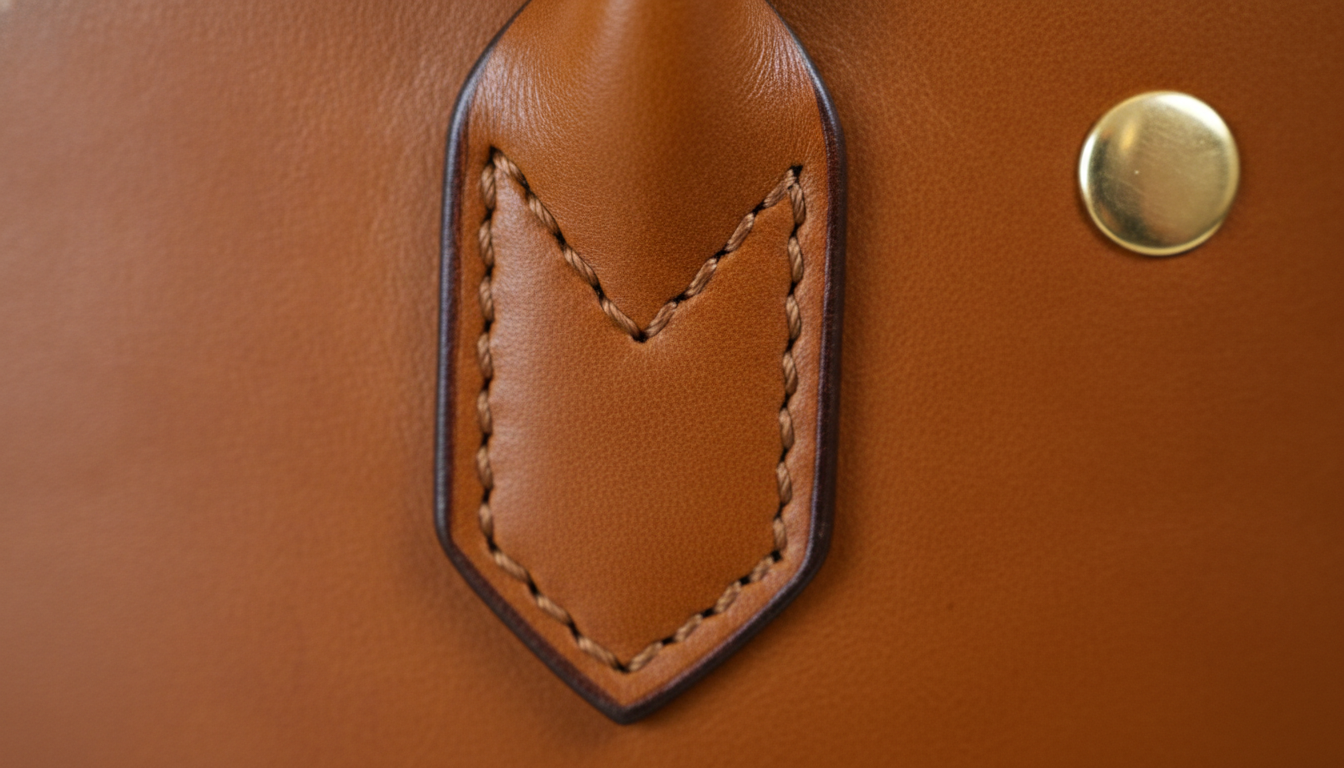
Leather tote bags provide a denser touch and more formal line. A pebbled surface tends to disguise minor scratches, whereas smooth leather reflects light more evenly but displays marks sooner. Nylon is lighter, easy to clean and useful when the empty weight matters. Those seeking a broader structured silhouette can compare the roomier handbag range, where additional shaping changes how contents are distributed.
| Material | Bag behaviour | Care profile |
|---|---|---|
| Cotton canvas | Durable, foldable and increasingly supple with use | Spot-clean or wash according to the care label; reshape while damp |
| Linen | Light, breathable and naturally textured | Avoid heavy abrasion and prolonged damp storage |
| Leather | Structured, substantial and polished | Wipe gently and condition only with a compatible product |
| Nylon | Lightweight, flexible and resistant to everyday splashes | Clean with a damp cloth and air-dry away from heat |
| Raffia | Textural, breathable and visually relaxed | Keep dry and store without crushing the weave |
Colour also affects the bag’s visual presence. Natural, black and navy shades integrate quietly into weekday clothing, while lime green, turquoise or printed designs become the focal point. A reversible model provides two surfaces in one item, and a monogrammable panel creates personal distinction without changing the practical construction.
Natural fibres are not automatically lower impact. A cotton tote must be reused many times to offset its production footprint, so choose a durable fabric and make repeated use—not a vague material claim—the centre of your decision.
A tote bag may be spacious, but usable capacity depends on carrying comfort. Handles that are too narrow concentrate pressure, while a very long drop lets a heavy load swing against the hip. For a shoulder tote, a drop of roughly 22–30 cm generally leaves room for a coat sleeve. Handheld models use shorter handles for closer control, and detachable straps introduce a crossbody option when both hands must remain free.
The strongest designs reinforce the points where handles meet the pouch. Box stitching, double rows of thread or an additional fabric layer spread tension beyond a single seam. This matters when the bag holds a laptop, bottles or shopping. If loose, adaptable capacity matters more than a defined rectangular base, browse the flexible carry-all alternatives and compare their softer construction.
For women and men alike, the best fit is visible before the bag is full: the upper edge should sit below the arm without pinching, and the base should not strike the thigh with every step. When carrying a large tote over the shoulder, alternating sides and removing unused objects can noticeably reduce fatigue during a full weekday.
A bag that looks oversized may carry less comfortably than a medium model with a structured base and reinforced handles. Compare internal dimensions and construction rather than relying only on the exterior width.
In the city, a medium tote keeps work essentials accessible without the visual bulk of an oversized carry-all. A flat document-friendly profile suits offices and study, while an exterior pocket gives quick access to a transport pass. For shopping, a foldable cloth bag is more practical: it can remain inside another bag until needed and its broad opening accepts irregular packages.
At the beach or pool, sand, damp fabric and sunscreen change the requirements. A wide base accommodates a towel and bottle, while a washable lining or easy-care synthetic surface simplifies cleaning. For light travelling, a zipper closure and small interior pockets help prevent passports, cables and keys from disappearing beneath clothing. Explore the complete tote format edit to compare these use-led proportions in one place.
| Context | Priority feature | Useful size |
|---|---|---|
| Work or study | Flat base, laptop sleeve and secure closure | Medium to large |
| Shopping | Foldable body and reinforced handles | Large |
| Beach or pool | Easy-clean lining and wide opening | Large or oversized |
| Light travel | Zipper, pockets and comfortable shoulder drop | Medium to large |
Printed quotes, limited-edition artwork and vivid colours can make the tote an expressive accessory, but the design remains most valuable when it serves the load. A classic neutral bag emphasises texture and cut; a bright or reversible version changes the visual mood while retaining the same practical architecture.
Start with contents, not appearance. The right tote bag should accommodate your widest regular object, remain comfortable at realistic weight and provide the closure appropriate to where it will be carried.
Texture can refine that decision. A soft corduroy carryall creates a warmer, more tactile presence than plain canvas while preserving the open, spacious silhouette.
A tote bag is a roomy pouch with two parallel handles rising from its sides. Traditionally made from sturdy cloth, it may now use canvas, linen, leather, raffia or nylon. Designs range from open shopping bags to structured models with zippers, linings and organised interior pockets.
Its wide opening and uncluttered capacity accept objects that smaller divided bags cannot hold easily. It works particularly well for documents, light layers and shopping. A breathable linen design also reduces empty weight while bringing a naturally textured surface to warm-weather use.
The tote prioritises one broad carrying space, whereas a conventional handbag often uses more compartments and a narrower opening. A restrained spacious cabas bridges both approaches by combining generous capacity with a cleaner, more controlled outline.
Yes, provided the base, seams and handles are reinforced for the expected load. Keep dense books close to the body-facing panel and protect electronics in a sleeve. A study-ready carrying design offers proportions suited to notebooks, folders and everyday personal items.
Open construction gives the quickest access for shopping, studio work or calm indoor settings. A zipper is preferable on public transport, during travel or whenever the bag may tip over. Magnetic fastenings offer an intermediate solution but do not seal the full opening.
Follow the care label first. Canvas usually benefits from gentle spot cleaning and air-drying, while leather should be wiped with a soft cloth and kept away from prolonged moisture. Empty pockets, remove surface dust and test any cleaner on an inconspicuous area before wider application.
Their value depends on repeated use, durability and suitable care rather than the reusable label alone. Cotton production has a material footprint, so a strong bag used for years is more meaningful than several rarely carried alternatives. Repair loose stitching early and avoid unnecessary replacement.
A tote bag earns its place through visible capacity, balanced handles and a material suited to the way it will be used. Compare internal measurements, closure security, base structure and care needs before deciding between compact, large or oversized formats. For a shoulder-led option that keeps the same accessible cabas profile, consider this comfortable women’s shoulder carrier. Choose the design that fits your real daily load, then use it consistently: thoughtful proportions and repeated service are what turn a simple bag into a dependable everyday essential.


