

Soft Handbag

A soft handbag solves a familiar problem: rigid bags may look polished when empty, yet feel awkward against the body and resist changing daily loads. A soft handbag uses a supple shell, adaptable volume and comfortable handles to hold essentials without creating a hard, bulky outline.
Its relaxed form can accommodate a phone, wallet, keys, cosmetics and a small notebook while remaining visually balanced. Depending on the size, an adjustable shoulder strap may add hands-free versatility, while magnetic and zipper closures protect the main compartment. Explore the designs below, compare their structure and carrying height, then choose the handbag whose proportions match both your frame and everyday routine.
The defining feature is controlled flexibility. Unlike a rigid top-handle bag, a soft leather handbag yields slightly when carried by hand or tucked beneath the shoulder. This movement helps the shell follow the contents instead of forcing every item into a fixed box. A well-designed model still retains a stable base, reinforced seams and a clear opening, preventing softness from becoming shapelessness.
Supple natural grain leather develops gentle folds rather than sharp creases. Full-grain or grained cowhide leather generally feels substantial, while suede creates a velvety, light-absorbing surface. Soft fabric and knitted raffia produce a lighter summer profile, whereas faux leather offers an animal-free alternative with a more uniform finish. The right choice depends on whether you value patina, low weight, tactile warmth or easy surface care.
| Structure | Response to Contents | Best Handbag Use |
|---|---|---|
| Supple hobo | Forms a relaxed crescent around daily items | Light commuting and casual appointments |
| Soft carré | Keeps a square outline with gently rounded sides | Organised work-to-evening use |
| Slouchy tote | Expands readily for larger belongings | Travel, shopping and busy days |
Fill the handbag to roughly two-thirds of its usable capacity. This preserves its fluid drape, keeps the opening easy to operate and avoids placing unnecessary tension on the handle attachments.
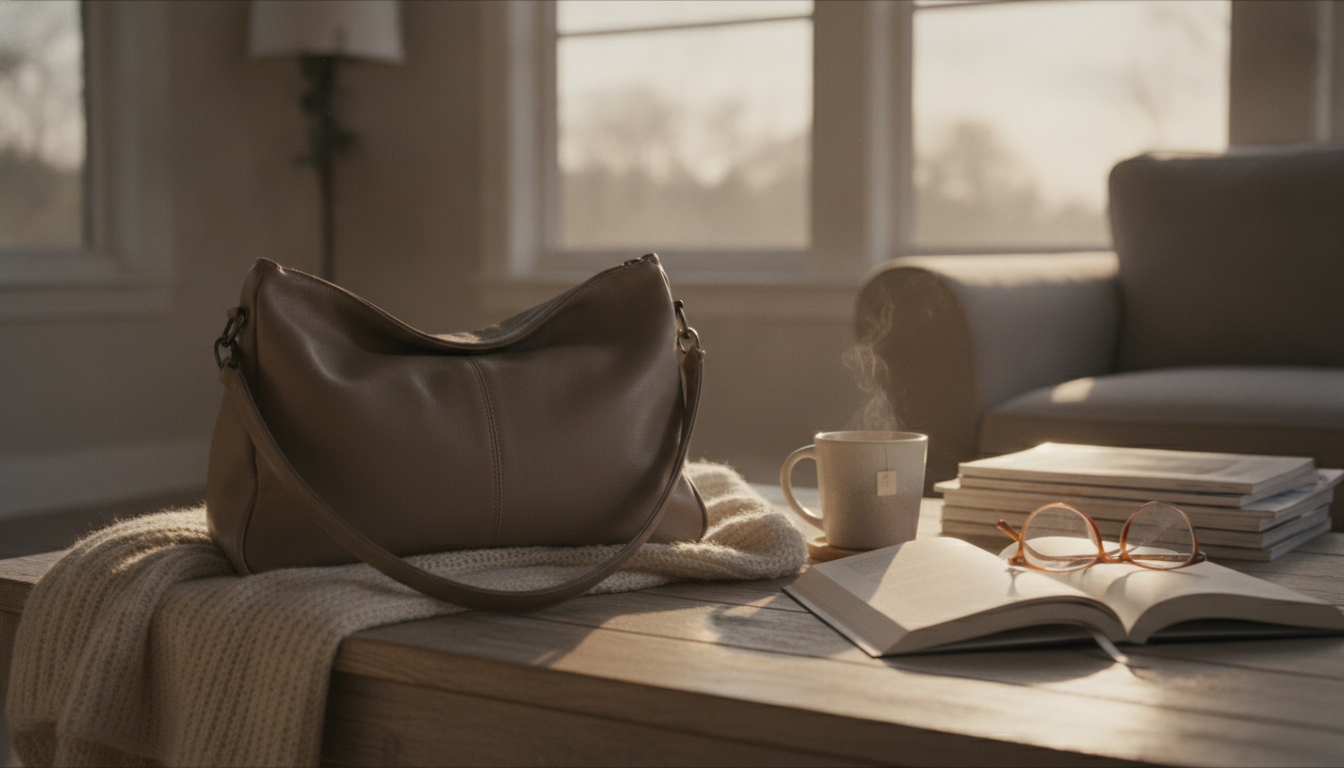
Material determines how a handbag feels in the hand, reflects light and ages. Soft leather has a smooth or pebbled grain that flexes without losing tensile strength. Black leather creates a clean, shadowed silhouette, while cognac brown highlights every fold with warm tonal variation. Beige and caramel feel softer visually; green introduces colour while remaining easy to coordinate with natural fabrics.
Suede offers a dry, brushed touch and deep colour absorption. It suits a relaxed handbag shape because the nap makes folds appear rich rather than severe. If that tactile character is the priority, compare the brushed-suede handbag range, which places greater emphasis on velvety texture than polished leather alternatives.
Natural raffia and rattan-inspired weaves create an airy body with visible texture. Braided leather handles can add strength where the hand applies repeated pressure, while leather trims help the opening retain its shape. Soft fabric is lighter and easier to fold for travel, although it generally offers less resistance to rain and abrasion than premium leather.
| Material | Sensory Character | Care Consideration |
|---|---|---|
| Full-grain leather | Supple, substantial and naturally grained | Condition sparingly and keep away from prolonged moisture |
| Suede leather | Velvety, matte and warm to the touch | Brush the nap and treat marks promptly |
| Raffia | Dry, woven and visually light | Avoid crushing and heavy rain |
| Faux leather | Uniform, smooth and easy to wipe | Store away from heat to limit surface cracking |
For leather, independent tannery auditing can provide useful evidence about traceability, water use, chemical management and wastewater treatment. Such certification does not replace careful inspection, but it gives shoppers a clearer basis for comparing material claims.
A soft handbag can move between hand, shoulder and crossbody use when its handle geometry is planned carefully. A short handle height of about 10–15 cm creates close control by hand. A shoulder drop near 44–50 cm suits many outerwear layers, while an adjustable crossbody strap allows the bag to sit above the hip rather than swing against the thigh.
The handle should feel rounded, with no hard seam pressing into the palm. Braided leather increases tactile grip and brings visible depth to brown or cognac finishes. Metal hardware should move smoothly without catching the strap edge; a protected pale-gold finish or other muted metallic tone gives definition without overwhelming the relaxed body.
Texture also changes the mood of a handheld silhouette. Smooth leather appears precise, suede feels muted and informal, and plush surfaces create stronger visual volume. For a more pronounced tactile contrast, the plush handbag alternatives offer a softer-looking exterior than the natural grain used on classic leather handbags.
Check strap height while wearing the coat or jacket you use most often. A handbag that sits correctly with a light top may feel too tight beneath the arm once thicker clothing is added.
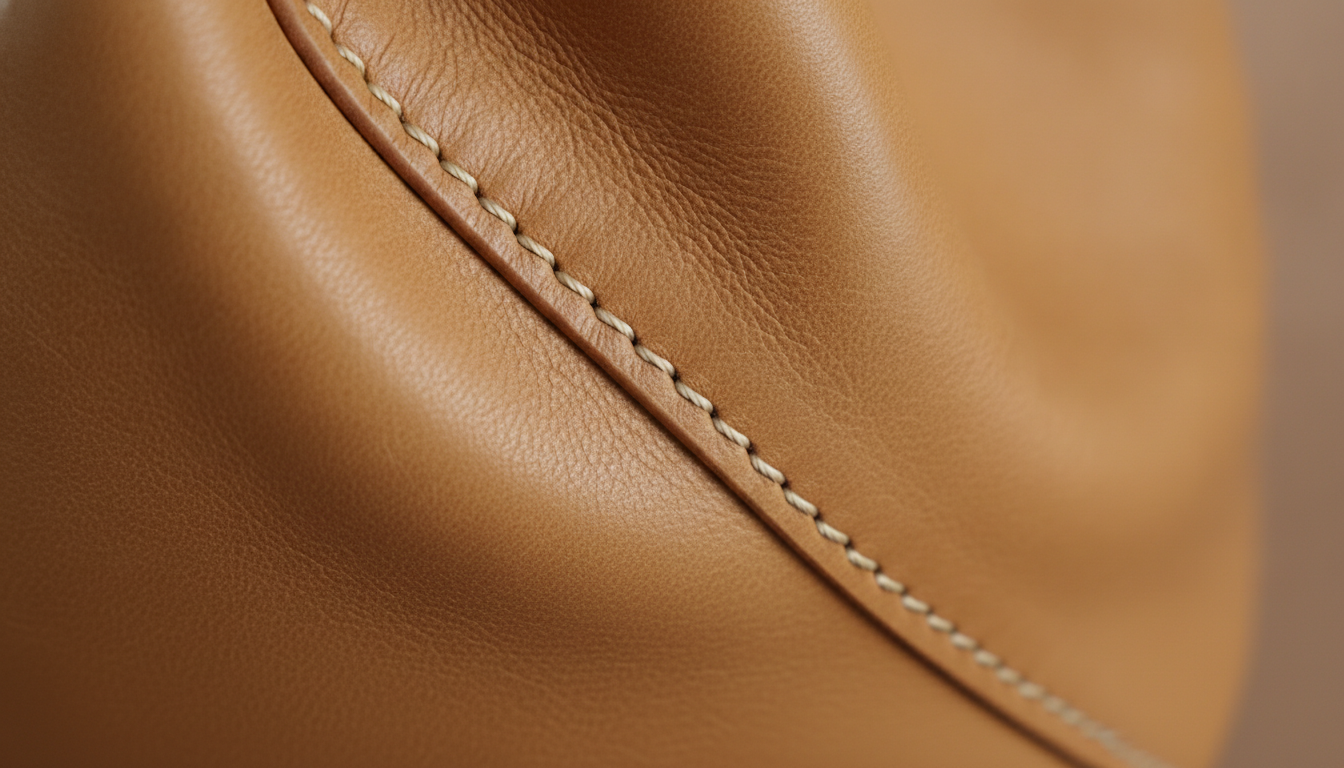
Security in a soft handbag depends on layered closure rather than body stiffness. A magnetic fastening offers quick access, while a zipper closes the main compartment fully. Used together, they allow the upper edge to remain relaxed without exposing a wallet or phone. Snap-button lateral closures can narrow the opening and stabilise easy volumes when the bag carries fewer items.
Interior organisation should remain simple. One zipped pocket or patch pocket is often more practical than numerous small divisions, because a flexible bag changes shape as it fills. A pale lining improves visibility, while a durable woven lining helps protect the leather from cosmetics, keys and pen marks.
| Approximate Size | Typical Capacity | Visual Effect |
|---|---|---|
| 27 × 28 × 10 cm | Phone, compact wallet, keys and small cosmetics | Compact and close to the body |
| 33 × 35 × 16 cm | Daily essentials, notebook, sunglasses and bottle | Spacious with a visible relaxed drape |
A medium design around 0.6–0.9 kg before filling can balance resilience and comfort, although material and hardware alter the final weight. Shiny metal parts, reinforced handles and thick leather add durability but should not make the empty handbag unnecessarily tiring.
When greater open capacity matters more than a defined handheld outline, compare the roomier carryall styles. Their wider access suits bulky belongings, whereas the softer handbag format provides closer control, a more shaped opening and multiple carrying options.

Begin with real contents rather than appearance alone. The correct soft handbag should hold your regular belongings while leaving enough space for the closure to operate without pulling. Assess the base, seams, opening and strap anchors because these areas control how well a supple design keeps its form.
For warm-weather texture with reduced weight, a lightweight linen design provides a useful comparison with soft leather and woven raffia. Linen feels cooler and more casual, while leather generally offers stronger edge retention and greater resistance to repeated handling.
Natural grain variation is not automatically a defect. On genuine leather, subtle differences in texture can indicate minimally corrected material and help each handbag develop an individual patina.
It is a handbag made with flexible leather, suede, fabric, raffia or faux leather, allowing the body to drape around its contents. Unlike a rigid frame bag, it compresses gently against the wearer while reinforced seams, a supported base and secure closures maintain practical shape and durability.
The flexible body feels less angular beneath the arm and adapts better to changing loads. It can also fold more readily for storage. A structured alternative keeps a sharper outline, but its fixed corners may feel bulky and provide less freedom when an object is slightly wider than the compartment.
Yes. Select a compact profile with controlled folds, a clean zipper line and refined hardware. If reflected light is central to the outfit, a polished silver evening bag offers a brighter counterpoint to the soft shadows of black leather or deep brown suede.
Metallic surfaces catch directional light and make folds appear more sculptural, while matte leather creates quieter depth. A light-reflecting handheld option suits evening settings; cognac grain, black leather and caramel suede integrate more discreetly with everyday clothing and shoes.
Black visually sharpens a relaxed silhouette and makes hardware more noticeable. Brown and cognac reveal grain, braided details and patina more readily. A vintage-inspired brown design illustrates how warm colour can emphasise softness without making the handbag appear unstructured.
Empty the pockets, close the zipper and support the body loosely with clean, acid-free tissue. Store it upright in a breathable dust bag away from sunlight and heat. Remove surface dust with a soft cloth, test any leather product on a hidden area and avoid overfilling during storage.
A soft handbag earns its place through adaptable capacity, close-to-body comfort and a silhouette shaped by movement rather than rigid framing. Compare material, empty weight, handle drop, strap adjustment and closure before choosing. Supple leather offers lasting grain and patina, while suede, raffia and fabric create distinct tactile effects. For another hands-free interpretation, explore a heritage-style crossbody design. Choose the size that fits your actual essentials, then favour secure construction and balanced proportions for a handbag that remains useful, comfortable and visually composed.


